⚗

Chemistry Experiments & Demonstrations

Chemistry is an experimental science. Sometimes the quickest way to understand a reaction is simply to see what happens.
This collection brings together short, clear animations of important chemistry experiments, practical techniques and laboratory tests.
Each demonstration focuses on the essential observations — colour changes, precipitates, gases, movement and other evidence of chemical change.
The animations are designed for students revising practical chemistry and for teachers looking for simple visual demonstrations to use in the classroom.
Alongside each experiment you’ll find a concise explanation of what to do, what to observe and the chemistry behind it.
Choose an experiment below and watch the chemistry happen.

Tests for Gases

Test for Hydrogen

Test for Oxygen

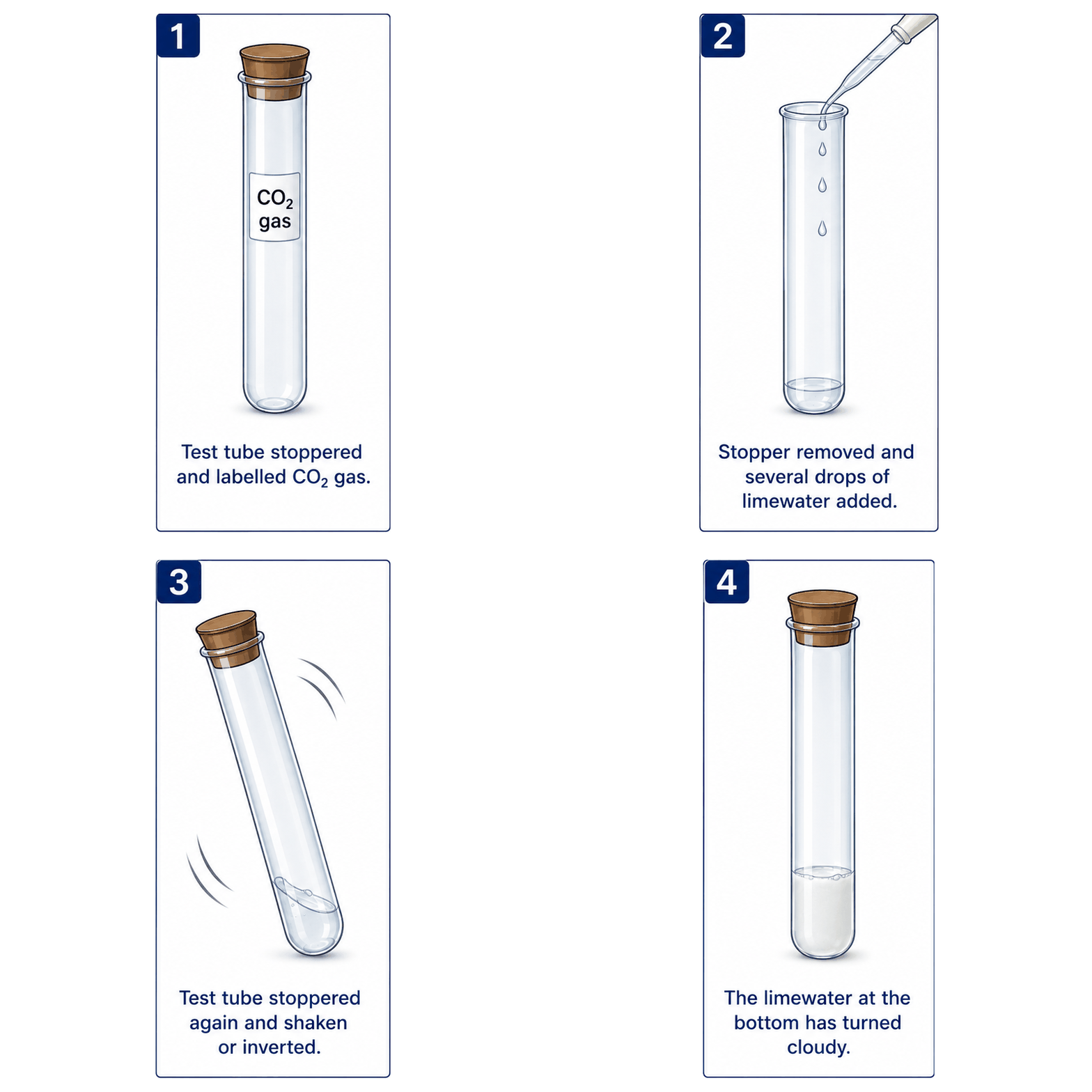
Test for Carbon Dioxide
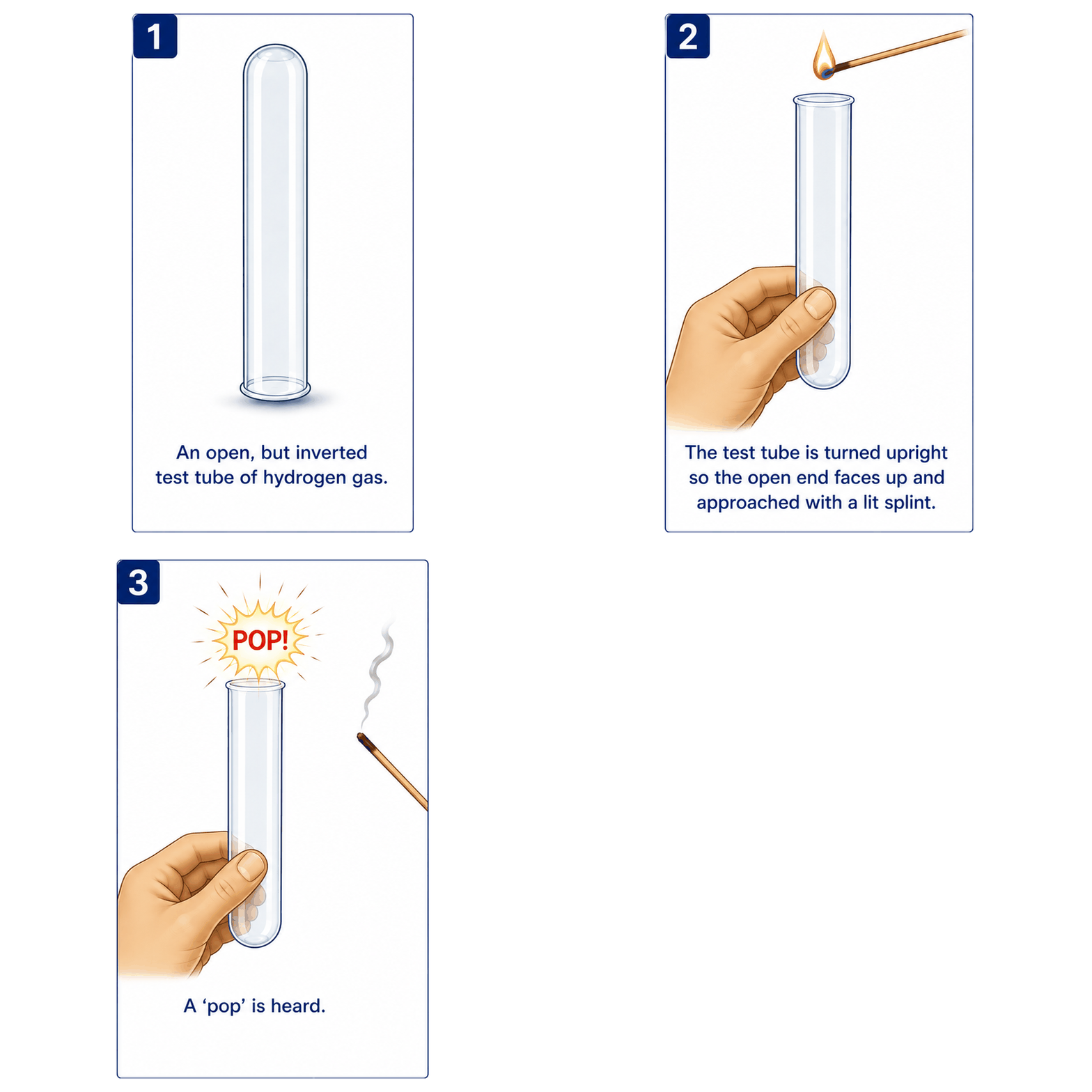
Test for Ammonia

Test for Hydrogen Chloride

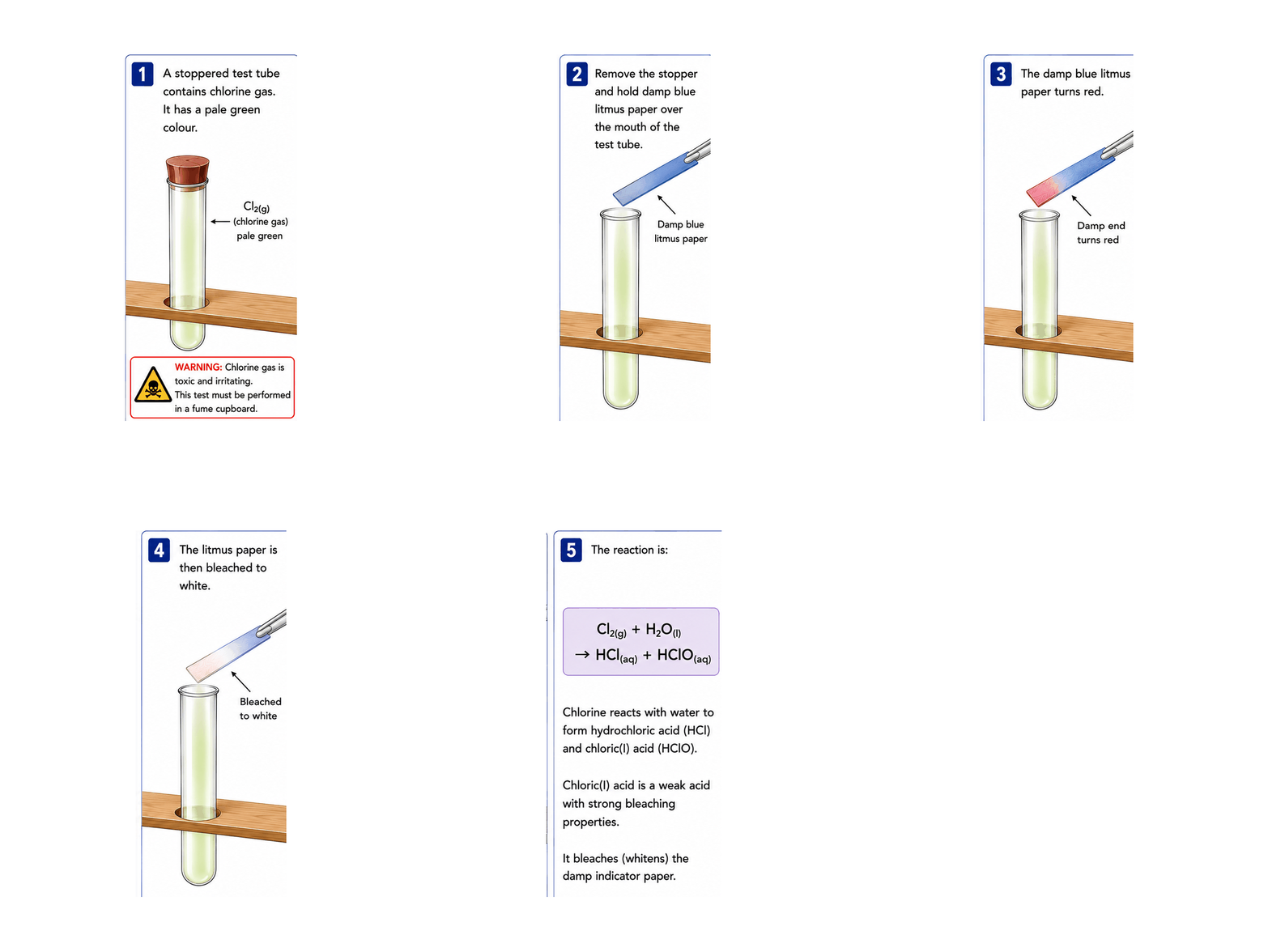
Test for Chlorine
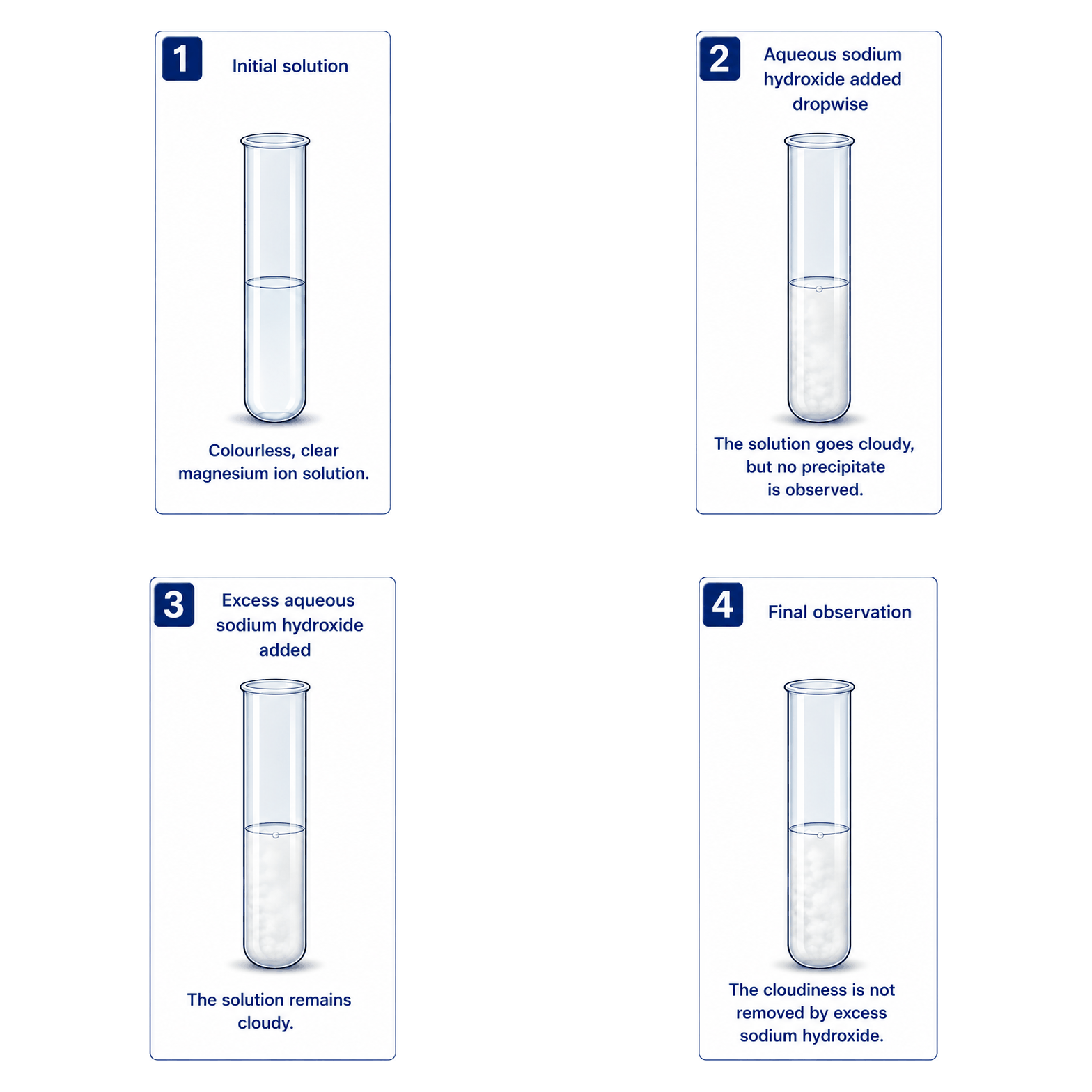
Tests for cations in solution using aqueous sodium hydroxide - dropwise, then an excess

Magnesium ions in solution

Alminium ions in solution

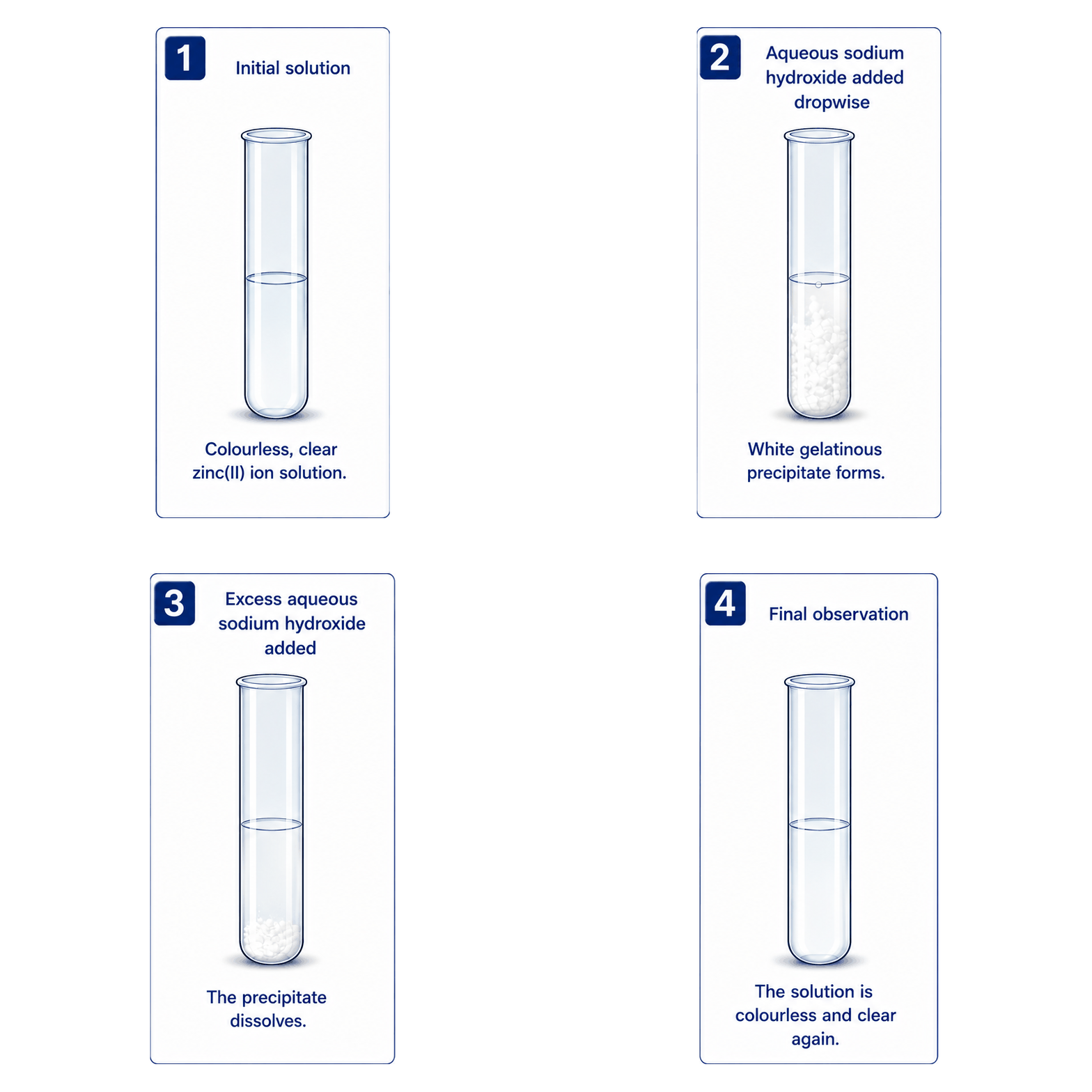
Zinc ions in solution
Iron(II) ions in solution

Iron(III) ions in solution

Copper(II) ions in solution

Set 1 — Reactions with hydroxide ions

Magnesium

Mg²⁺(aq) + 2OH⁻(aq) → Mg(OH)₂(s)

No reaction with excess OH⁻.

Aluminium

Al³⁺(aq) + 3OH⁻(aq) → Al(OH)₃(s)

In excess hydroxide:

Al(OH)₃(s) + OH⁻(aq) → [Al(OH)₄]⁻(aq)

Zinc

Zn²⁺(aq) + 2OH⁻(aq) → Zn(OH)₂(s)

In excess hydroxide:

Zn(OH)₂(s) + 2OH⁻(aq) → [Zn(OH)₄]²⁻(aq)

Iron(II)

Fe²⁺(aq) + 2OH⁻(aq) → Fe(OH)₂(s)

No reaction with excess OH⁻.

Iron(III)

Fe³⁺(aq) + 3OH⁻(aq) → Fe(OH)₃(s)

No reaction with excess OH⁻.

Copper(II)

Cu²⁺(aq) + 2OH⁻(aq) → Cu(OH)₂(s)

No reaction with excess OH⁻.

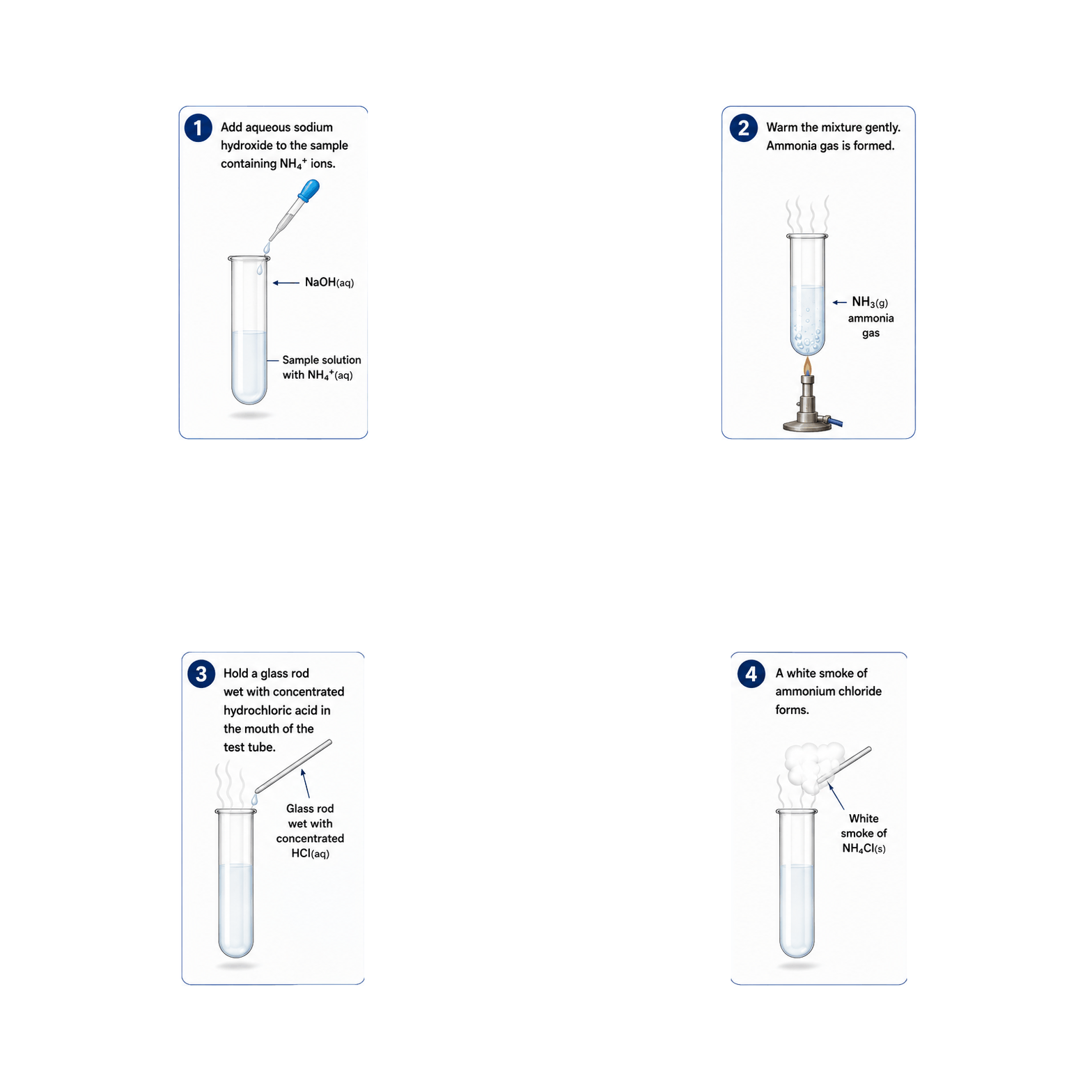
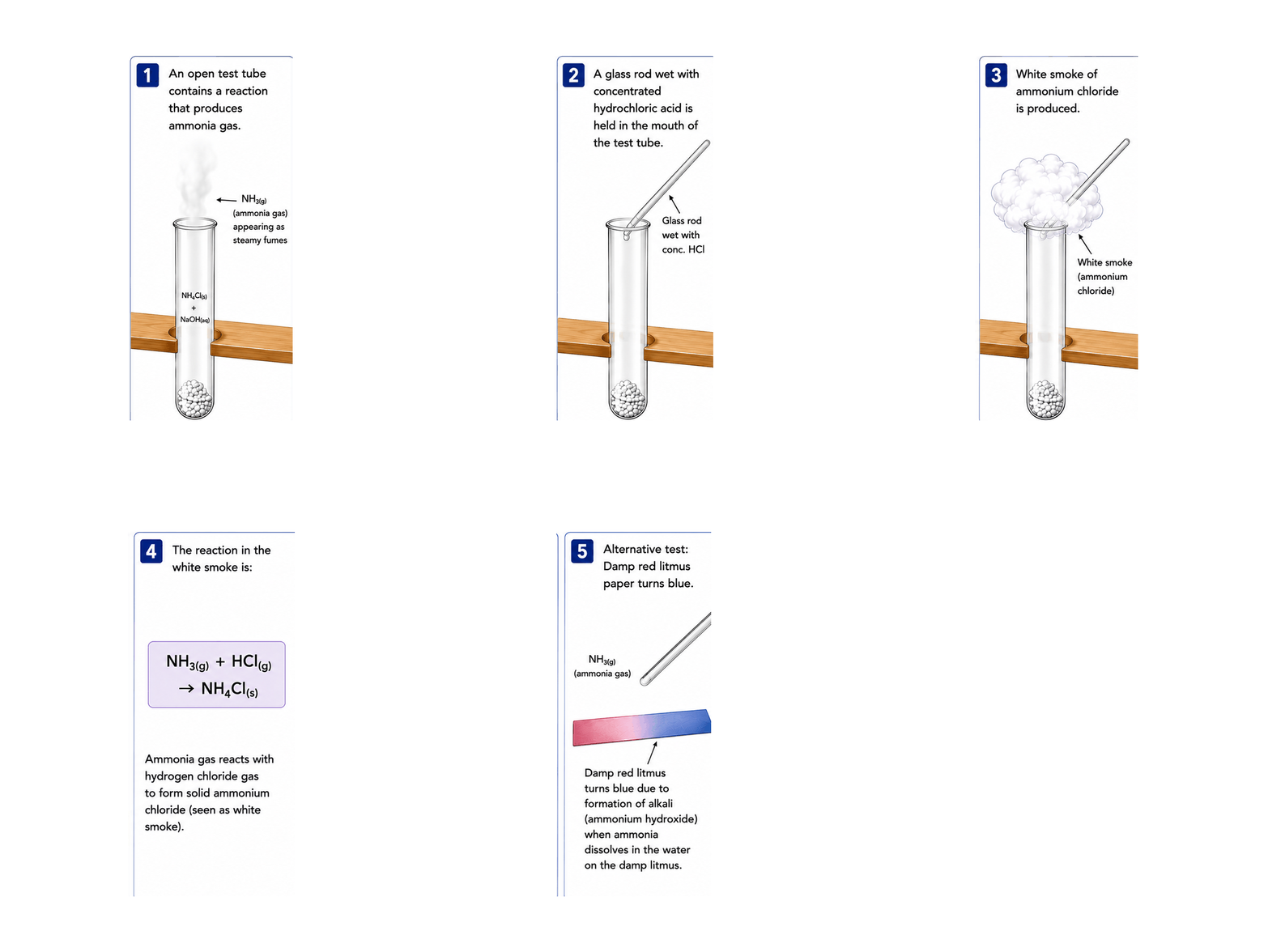
______________ Test for Ammonium ions ___________________________

1. Formation of ammonia gas

NH₄⁺(aq) + OH⁻(aq) → NH₃(g) + H₂O(l)

2. Formation of the white smoke

NH₃(g) + HCl(g) → NH₄Cl(s)

The (s) in the second equation is important: the visible white smoke consists of tiny solid particles of ammonium chloride suspended in the air.

Type your paragraph here

Set 2 — Reactions with aqueous ammonia

Aqueous ammonia contains mainly dissolved ammonia molecules, NH₃(aq), but some ammonia reacts with water:

NH₃(aq) + H₂O(l) ⇌ NH₄⁺(aq) + OH⁻(aq)

The small concentration of OH⁻(aq) produced is responsible for forming the metal hydroxide precipitates.

Magnesium

Mg²⁺(aq) + 2OH⁻(aq) → Mg(OH)₂(s)

No further reaction with excess NH₃(aq).

Aluminium

Al³⁺(aq) + 3OH⁻(aq) → Al(OH)₃(s)

No further reaction with excess NH₃(aq).

Zinc(II)

Zn²⁺(aq) + 2OH⁻(aq) → Zn(OH)₂(s)

In excess ammonia:

Zn(OH)₂(s) + 4NH₃(aq) → [Zn(NH₃)₄]²⁺(aq) + 2OH⁻(aq)

Iron(II)

Fe²⁺(aq) + 2OH⁻(aq) → Fe(OH)₂(s)

No further reaction with excess NH₃(aq).

Iron(III)

Fe³⁺(aq) + 3OH⁻(aq) → Fe(OH)₃(s)

No further reaction with excess NH₃(aq).

Copper(II)

Cu²⁺(aq) + 2OH⁻(aq) → Cu(OH)₂(s)

In excess ammonia:

Cu(OH)₂(s) + 4NH₃(aq) → [Cu(NH₃)₄]²⁺(aq) + 2OH⁻(aq)

The key contrast is:

Zn²⁺ and Cu²⁺ precipitates dissolve in excess NH₃ because soluble ammine complexes form.

For copper(II), this gives the characteristic deep royal/dark blue solution.

Copper(II) with Ammonia Solution

Test for Ammonium Ions

Flame Tests for Metal Cations

Scroll to Top